Holistic Strategies for Hormone Balance at Any Age
Achieving hormone balance is not a destination but a continuous journey of listening to your body and providing it with the support it needs. By adopting a holistic approach that integrates nutrition, stress management, and mindful lifestyle choices, you can empower yourself to navigate the hormonal shifts that come with every stage of life.
-Dr. Dana Cohen

Discover integrative strategies for hormone balance. Learn how to support perimenopause, thyroid health, and adrenal function with holistic, natural approaches.
Hormones are the body's chemical messengers, playing a vital role in regulating everything from your mood and metabolism to your sleep cycles and reproductive health. When they are in balance, you feel energetic, focused, and well. When they are out of sync, the effects can ripple through your entire system, leaving you feeling fatigued, irritable, and simply not yourself. Achieving and maintaining hormone balance is a dynamic process that changes throughout your life, and an integrative approach can provide the comprehensive support your body needs at every stage.
From the shifts of perimenopause to the delicate functions of the thyroid and adrenal glands, understanding your hormones is the first step toward reclaiming your vitality. This post will explore holistic strategies for supporting your hormonal health, focusing on key areas that impact your overall well-being. We will look at how nutrition, lifestyle, and targeted support can help you navigate these changes with grace and resilience.
The Symphony of Your Hormones: An Integrative View
Hormone health is not about isolating one hormone and "fixing" it. It is about understanding the intricate connections between different systems in your body. Your thyroid, adrenal glands, reproductive organs, and metabolism are all in constant communication. A problem in one area can create a cascade of effects elsewhere. This is where an integrative and holistic perspective becomes essential.
Instead of just treating symptoms, this approach seeks to identify and address the root causes of imbalance. It considers the whole person—your diet, stress levels, sleep patterns, environment, and genetics—to create a personalized roadmap to wellness. By supporting the body as an interconnected system, we can foster true, lasting balance.
Navigating Perimenopause with a Holistic Strategy
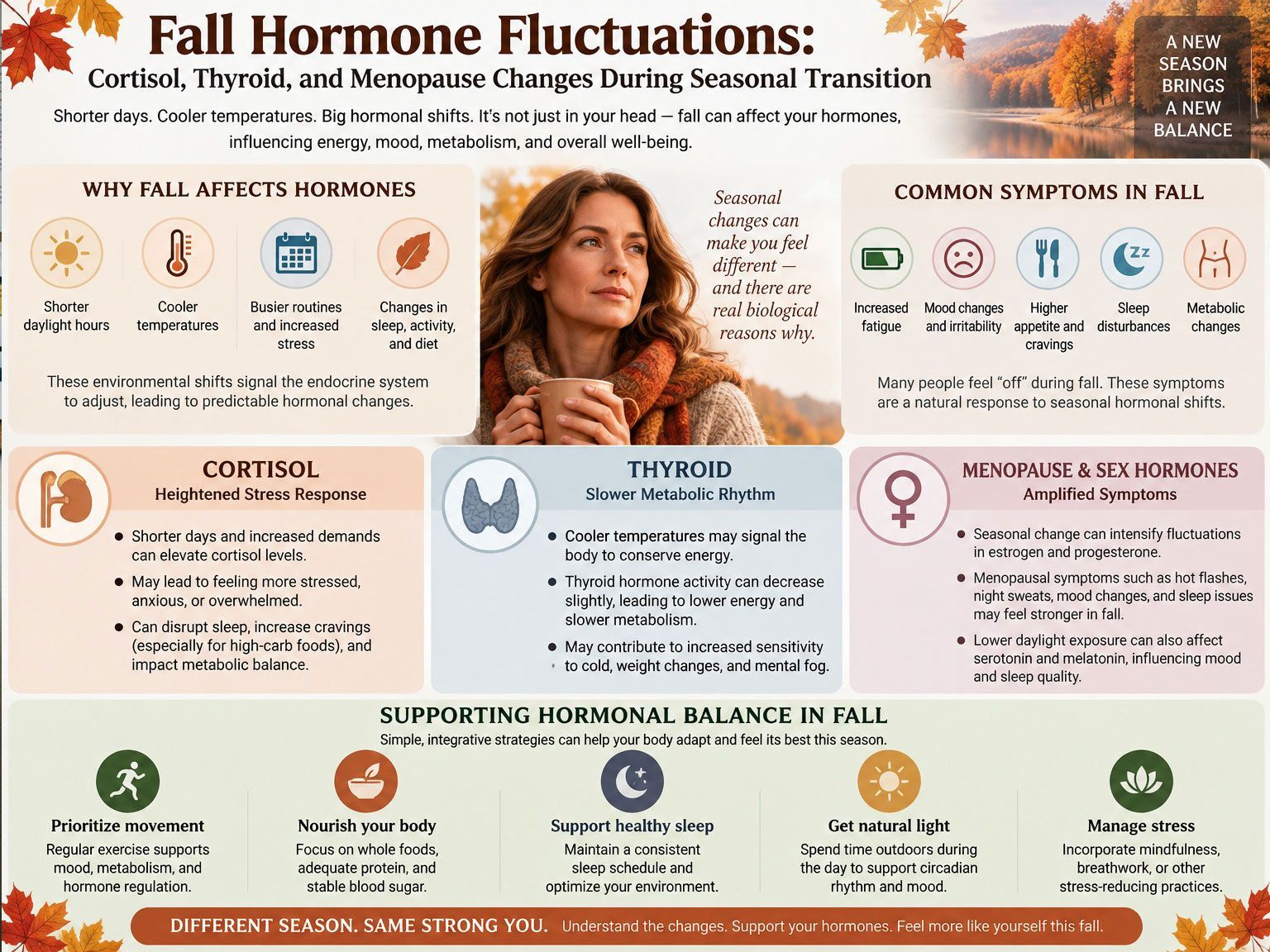
Perimenopause, the transition leading up to menopause, can begin for some women in their late 30s or early 40s. It's characterized by fluctuating levels of estrogen and progesterone, which can lead to a host of symptoms like irregular periods, hot flashes, sleep disturbances, mood swings, and brain fog. While this is a natural life stage, you don't have to endure the discomfort.
Nutritional Support for Perimenopause
What you eat has a profound impact on your hormonal landscape during this transition.
- Phytoestrogens: Incorporate foods rich in phytoestrogens, which are plant-based compounds that can gently mimic estrogen in the body. Good sources include flaxseeds, chickpeas, lentils, and organic soy products like tofu and tempeh.
- Cruciferous Vegetables: Broccoli, cauliflower, cabbage, and kale contain compounds that support healthy estrogen metabolism, helping your liver process and eliminate excess hormones efficiently.
- Healthy Fats: Omega-3 fatty acids, found in fatty fish like salmon, as well as walnuts and chia seeds, are crucial for hormone production and reducing inflammation. Healthy fats also help stabilize mood and support cognitive function.
Lifestyle Adjustments for a Smoother Transition
- Stress Management: High cortisol levels from chronic stress can worsen perimenopausal symptoms. Practices like meditation, deep breathing exercises, yoga, or even spending time in nature can significantly lower stress and support hormonal equilibrium.
- Prioritize Sleep: Fluctuating hormones can disrupt sleep, but a lack of sleep can further destabilize hormones. Create a relaxing bedtime routine, avoid screens an hour before bed, and ensure your bedroom is dark, quiet, and cool.
- Consistent Exercise: Regular physical activity, particularly a mix of strength training and cardiovascular exercise, can help manage weight, improve mood, strengthen bones, and reduce the severity of hot flashes.
The Thyroid: Your Body's Metabolic Engine
The thyroid gland, a small butterfly-shaped organ in your neck, produces hormones that regulate your metabolism, energy levels, and body temperature. An underactive thyroid (hypothyroidism) or overactive thyroid (hyperthyroidism) can cause widespread symptoms, from fatigue and weight gain to anxiety and hair loss. Thyroid function is closely tied to other hormonal systems, especially the adrenal glands.
Supporting Your Thyroid Naturally
Your thyroid requires specific nutrients to function optimally.
- Key Nutrients: Ensure your diet is rich in iodine (found in seaweed and iodized salt), selenium (Brazil nuts, sardines, eggs), and zinc (oysters, beef, pumpkin seeds). These minerals are essential for the production and conversion of thyroid hormones.
- Goitrogen Awareness: Certain foods, known as goitrogens, can interfere with thyroid function when consumed in very large amounts. These include cruciferous vegetables and soy. Lightly cooking these foods deactivates most of their goitrogenic properties, allowing you to enjoy their other health benefits.
The Gut-Thyroid Connection
A healthy gut is critical for thyroid health. A significant portion of thyroid hormone conversion happens in the gut. Gut inflammation and imbalances in gut bacteria can impair this process. Supporting your digestive health with a diet rich in fiber, fermented foods like yogurt and kimchi, and a high-quality probiotic can positively impact your thyroid function.
Adrenal Function and the Stress Response
Your adrenal glands sit atop your kidneys and produce stress hormones such as cortisol and adrenaline. In a healthy response, cortisol helps you manage short-term stress. However, chronic physical or emotional stress can lead to adrenal dysfunction, often referred to as "adrenal fatigue." This can leave you feeling exhausted, wired but tired, and struggling with cravings for salt and sugar.
Restoring Your Adrenal Health
Because the adrenals are so sensitive to stress, managing your stress response is the most important step.
- Adopt an "Adrenal-Friendly" Diet: Stabilize your blood sugar by eating regular, balanced meals that include protein, healthy fats, and complex carbohydrates. Avoid refined sugars and processed foods that cause energy spikes and crashes, further taxing your adrenals.
- Calm Your Nervous System: Actively engage in restorative activities. This could be gentle yoga, tai chi, or simply setting aside 20 minutes a day for quiet contemplation. These practices help shift your body out of the "fight-or-flight" mode and into a "rest-and-digest" state, giving your adrenals a much-needed break.
- Mindful Movement: Intense, high-impact exercise can be another stressor on an already taxed system. Opt for more gentle forms of movement, such as walking, swimming, or restorative yoga, until your energy levels are restored.
Achieving Metabolic Balance for Overall Health
Metabolic balance refers to how efficiently your body produces and uses energy. Several hormones, most notably insulin, govern it. Insulin resistance, a condition where your cells stop responding appropriately to insulin, is a precursor to type 2 diabetes and is closely linked to other hormonal issues like Polycystic Ovary Syndrome (PCOS) and weight gain.
Strategies for Metabolic Flexibility
Improving your body's insulin response is key to metabolic health.
- Balance Your Plate: Every meal should contain a source of protein, fiber, and healthy fat. This combination slows down the absorption of sugar into the bloodstream, preventing sharp spikes in insulin and promoting stable energy levels throughout the day.
- Incorporate Strength Training: Building muscle is one of the most effective ways to improve insulin sensitivity. Muscle tissue uses more glucose than fat tissue, effectively pulling sugar out of your bloodstream. Aim for at least 2 strength-training sessions per week.
- Limit Processed Carbohydrates and Sugar: Foods high in refined sugar and simple carbohydrates cause a rapid rise in blood sugar, forcing your pancreas to pump out large amounts of insulin. Over time, this can lead to insulin resistance. Choose whole-food carbohydrate sources like sweet potatoes, quinoa, and berries instead.
Your Path to Lasting Hormone Balance
Achieving hormone balance is not a destination but a continuous journey of listening to your body and providing it with the support it needs. By adopting a holistic approach that integrates nutrition, stress management, and mindful lifestyle choices, you can empower yourself to navigate the hormonal shifts that come with every stage of life.
Your journey is unique, and working with a practitioner who understands the intricate symphony of your hormones can make all the difference. An integrative approach provides the tools and strategies to address the root causes of imbalance, helping you build a foundation for vibrant, long-lasting health.