Hormone Imbalance Treatments NYC - Dr. Dana Cohen
Functional Hormone Imbalance Care in Manhattan NY 10019
Hormones influence nearly every part of how you feel, from your energy and mood to your metabolism and sleep. When they fall out of balance, it can show up in ways that feel confusing, frustrating, or even overwhelming. Many people are told their symptoms are “normal” or unrelated, even when their bodies are clearly signaling that something deeper is happening.
Dr. Dana Cohen takes a warm, whole‑body approach to hormone health, helping you understand what your symptoms mean and how to support your body naturally.
She looks beyond quick fixes and focuses on the root causes that may be affecting your hormonal system. Her goal is to help you feel more grounded, more energized, and more connected to your body again.
Many people don’t realize that even small hormonal shifts can create ripple effects throughout the body. When those signals are ignored or misunderstood, symptoms often linger longer than they need to.
Hormone Imbalance Symptoms
Hormone imbalances can show up in ways that feel subtle at first, then gradually begin to affect your daily life. Many people notice shifts in energy, mood, sleep, or weight without understanding why their bodies suddenly feel different. These symptoms often overlap, making it hard to tell which hormone is involved or whether something deeper is happening beneath the surface. You may feel unusually tired, more reactive to stress, or less emotionally steady than you used to.
Some people experience changes in appetite, metabolism, or temperature regulation that seem to come and go without a clear pattern. Others notice brain fog, irritability, or trouble concentrating during times when their hormones fluctuate. These shifts can be confusing, especially when standard labs come back “normal” despite persistent symptoms. When your body’s hormonal signals fall out of rhythm, even small imbalances can create ripple effects that impact how grounded, clear, and connected you feel each day.
About Dr. Dana Cohen
Dr. Dana Cohen is a board‑certified physician with more than 20 years of experience in functional and integrative medicine. She is known for her warm, whole‑body approach that blends medical training with nutrition, hydration therapy, and lifestyle‑based healing. Her practice in New York City focuses on helping patients understand the root causes behind fatigue, hormonal shifts, and chronic symptoms so they can feel more balanced and supported in their daily lives.
Learn more about Dr. Dana Cohen.
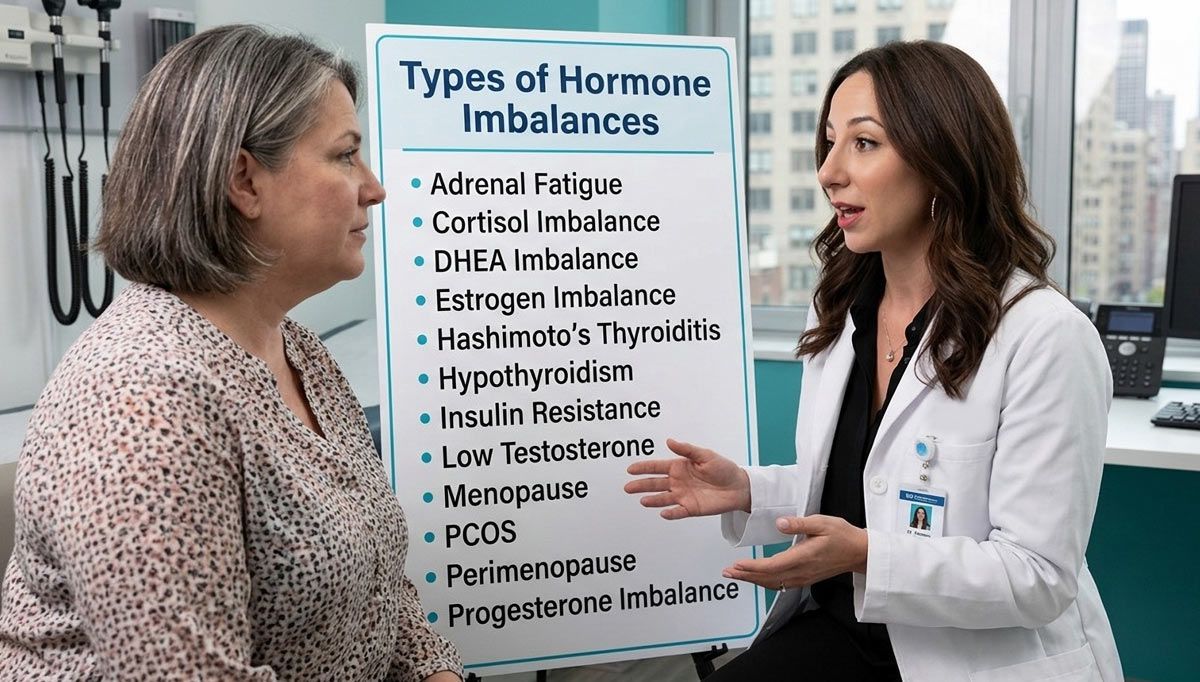
Types of Hormone Imbalances
Hormone imbalances can involve shifts in adrenal, thyroid, reproductive, or metabolic hormones, each affecting the body in different ways. Some imbalances develop gradually through stress or aging, while others arise from autoimmune, inflammatory, or metabolic changes. These disruptions can influence energy, mood, cycles, sleep, weight, and overall emotional steadiness. Understanding which system is involved helps clarify why symptoms appear and guides a more targeted, whole‑body approach to treatment.
Adrenal Fatigue
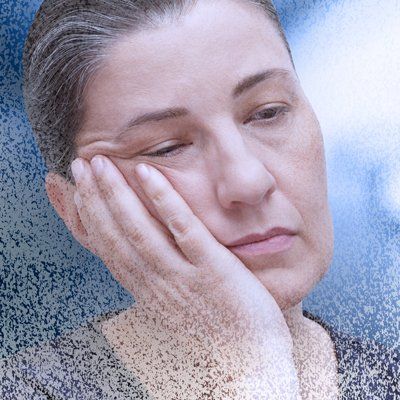
Adrenal fatigue describes a state in which your stress response system becomes overwhelmed, leaving you feeling drained, foggy, or unable to bounce back from daily demands. It often develops slowly, showing up as morning fatigue, afternoon crashes, or a sense that your body is “running on empty.” Many people experience it after prolonged stress, poor sleep, or chronic inflammation. It can make you feel disconnected from your usual energy and resilience.
Conventional medicine often overlooks adrenal fatigue because it does not always show up on standard lab tests. Dr. Cohen looks deeper, exploring hydration status, nutrient depletion, sleep patterns, and the effects of long‑term stress on your body. She may use a combination of functional testing, targeted supplements, hydration therapy, and lifestyle adjustments to help restore balance. With the right support, many people begin to feel clearer, calmer, and more capable of handling daily life again.
Learn more about Adrenal Fatigue treatments.
Cortisol Imbalance
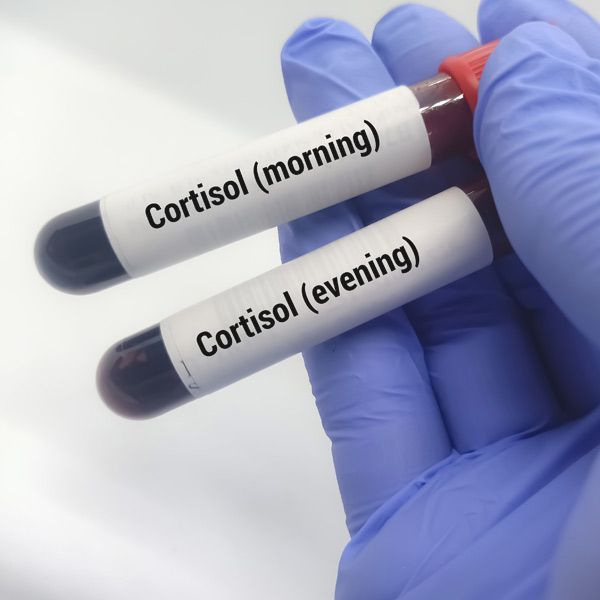
Cortisol imbalance occurs when your stress hormone is either too high, too low, or fluctuating in ways that leave you feeling off‑center. It can affect your sleep, weight, mood, and ability to manage stress. These shifts often develop gradually, especially during demanding periods of life. Many people describe feeling wired and tired at the same time.
Traditional care may focus only on extreme cortisol disorders, missing the more subtle imbalances that still impact daily life. Dr. Cohen looks at your full stress picture, including sleep quality, hydration, inflammation, and lifestyle patterns that influence cortisol rhythms. She may use gentle nutrition changes, adaptogenic herbs, hydration support, and stress‑regulating practices to help your body recalibrate. Over time, this approach can help you feel more grounded, more rested, and more emotionally steady.
Learn more about Cortisol Imbalance Treatments.

DHEA Imbalance
DHEA is an adrenal hormone that supports energy, mood, and overall vitality. When levels drop, you may feel fatigued, less motivated, or more sensitive to stress. Low DHEA can also affect hormone production in other areas of the body. Many people notice these changes during periods of chronic stress or aging.
Conventional medicine often overlooks mild DHEA shifts unless levels are extremely abnormal. Dr. Cohen evaluates your full adrenal picture, including hydration, nutrient status, and lifestyle factors that influence hormone production. She may use targeted supplementation, stress-supportive herbs, hydration therapy, and restorative lifestyle practices to help restore DHEA balance. This gentle, whole‑body approach can help you feel more energized and emotionally resilient.

Estrogen Imbalance
Estrogen imbalance can show up as mood swings, irregular cycles, weight changes, or shifts in energy and sleep. It often develops during hormonal transitions or when stress, diet, or environmental factors disrupt the body’s natural rhythm. Many people feel frustrated when symptoms appear without a clear explanation. These changes can affect daily comfort and overall well‑being.
Standard care may focus solely on estrogen levels, overlooking the lifestyle and metabolic factors that influence them. Dr. Cohen examines gut health, hydration, detox pathways, and stress patterns that may affect estrogen balance. She may use nutrition support, gentle detox strategies, hydration therapy, and targeted supplements to help regulate estrogen naturally. This approach helps your body find a steadier, more comfortable hormonal rhythm.

Hashimoto’s Thyroiditis
Hashimoto’s is an autoimmune condition that affects thyroid hormone production and can lead to fatigue, weight changes, and mood shifts. Symptoms often come and go, making it difficult to understand what your body is trying to tell you. Many people feel confused when their labs fluctuate or when they don’t feel better despite treatment. These ups and downs can impact daily life in meaningful ways.
Conventional care may focus only on thyroid hormone replacement, overlooking the immune and inflammatory factors driving the condition. Dr. Cohen explores gut health, nutrient deficiencies, hydration, stress, and environmental triggers that may be influencing your thyroid. She may use a combination of nutrition support, anti‑inflammatory strategies, hydration therapy, and lifestyle adjustments to help calm the immune response. This whole‑body approach helps many people feel more stable and supported.

Hypothyroidism
Hypothyroidism occurs when the thyroid slows down, leading to fatigue, weight gain, dry skin, and changes in mood or focus. Symptoms often develop gradually, making them easy to overlook at first. Many people feel frustrated when they don’t feel like themselves. These shifts can affect energy, motivation, and daily comfort.
Conventional care may rely solely on medication without exploring why the thyroid slowed down in the first place. Dr. Cohen looks at nutrient deficiencies, hydration, gut health, inflammation, and stress patterns that may be affecting thyroid function. She may use nutrition support, hydration therapy, targeted supplements, and lifestyle adjustments to help your thyroid work more efficiently. This approach helps many people regain energy and feel more balanced.
Learn more about Hypothyroidism treatments.

Insulin Resistance
Insulin resistance occurs when the body has trouble using insulin effectively, leading to fatigue, cravings, weight changes, and blood sugar swings. It often develops slowly and can be influenced by stress, sleep, and diet. Many people feel confused when symptoms don’t match what they expect from blood sugar issues. These changes can affect both physical and emotional well‑being.
Standard care may focus only on blood sugar numbers without addressing the deeper hormonal and lifestyle factors involved. Dr. Cohen looks at hydration, nutrient status, inflammation, gut health, and stress patterns that influence insulin sensitivity. She may use nutrition guidance, hydration therapy, movement strategies, and targeted supplements to help your body respond better to insulin. This supportive approach helps many people feel more stable and energized.

Low Testosterone
Low testosterone can affect energy, mood, motivation, and overall vitality. It may also influence sleep, muscle tone, and libido. Many people notice these changes gradually and aren’t sure why they feel different. These shifts can impact confidence and daily comfort.
Conventional care may focus only on hormone levels without exploring the lifestyle factors that influence testosterone production. Dr. Cohen looks at stress, hydration, sleep quality, nutrient status, and metabolic health to understand the full picture. She may use targeted supplements, nutrition support, hydration therapy, and lifestyle adjustments to help restore balance. This gentle, whole‑body approach helps many people feel more grounded and revitalized.
Learn more about Testosterone Replacement Therapy.

Menopause
Menopause is a natural transition that can bring changes in mood, sleep, energy, and temperature regulation. Many people feel surprised by how unpredictable symptoms can be. These shifts can affect daily comfort and emotional well‑being. It’s common to feel unsure about what your body needs during this time.
Traditional care may focus only on symptom relief without addressing the deeper hormonal and lifestyle changes happening beneath the surface. Dr. Cohen looks at hydration, nutrition, stress patterns, gut health, and sleep to support your body through this transition. She may use gentle supplements, hydration therapy, lifestyle guidance, and mind‑body practices to help ease symptoms. This supportive approach helps many people navigate menopause with greater comfort and confidence.
Learn more about Menopause treatments.

PCOS
PCOS (Polycystic Ovarian Syndrome) is a hormonal condition that can affect cycles, metabolism, skin, and mood. Symptoms often vary widely, making it difficult to understand what’s happening in your body. Many people feel overwhelmed by the mix of physical and emotional changes. These shifts can impact daily life in meaningful ways.
Conventional care may focus only on cycle regulation or symptom management without exploring the root causes. Dr. Cohen examines insulin resistance, inflammation, hydration, nutrient status, and stress patterns that may contribute to PCOS. She may use nutrition support, hydration therapy, targeted supplements, and lifestyle adjustments to help restore balance. This whole‑body approach helps many people feel more stable and supported.
Learn more about PCOS treatments.
Perimenopause
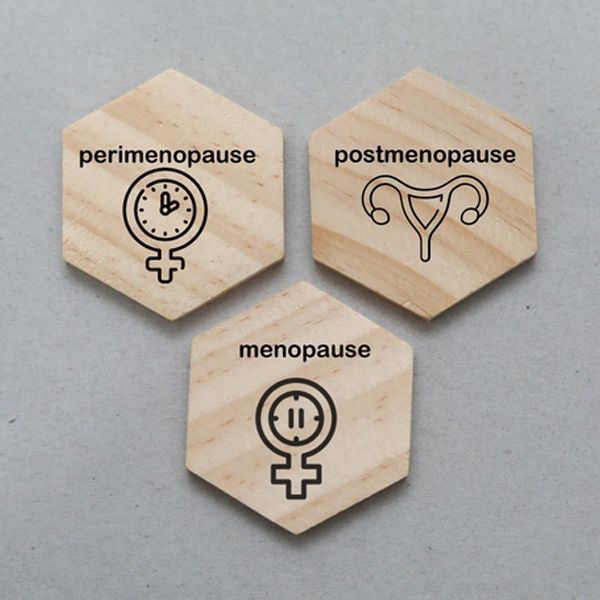
Perimenopause is the transitional phase before menopause, marked by shifting hormones that can affect mood, sleep, cycles, and energy. Symptoms can feel unpredictable and may change from month to month. Many people feel confused when their bodies behave differently than they used to. These changes can affect both physical comfort and emotional balance.
Traditional care may overlook the complexity of this transition, focusing only on symptom control. Dr. Cohen looks at hydration, stress, nutrition, sleep, and gut health to understand what your body needs during this time. She may use gentle supplements, hydration therapy, lifestyle guidance, and mind‑body practices to help ease the transition. This supportive approach helps many people feel more grounded and steady.

Progesterone Imbalance
Progesterone imbalance can affect mood, sleep, cycles, and overall emotional steadiness. Many people notice increased irritability, anxiety, or restlessness when levels shift. These changes can feel confusing, especially when they appear suddenly. They can also affect daily comfort and well‑being.
Conventional care may focus solely on hormone levels, neglecting lifestyle factors that influence progesterone. Dr. Cohen looks at stress, hydration, nutrient status, sleep quality, and gut health to understand the full picture. She may use targeted supplements, hydration therapy, nutrition support, and lifestyle adjustments to help restore balance. This gentle approach helps many people feel calmer, more rested, and more emotionally steady.
Why Patients Choose Dr. Dana Cohen
Many patients choose Dr. Cohen because she takes the time to truly understand what they’re experiencing, even when symptoms feel vague or hard to explain. She listens closely, asks thoughtful questions, and helps people feel seen rather than rushed. Her approach blends medical training with a deep understanding of how lifestyle, hydration, stress, and nutrition influence hormone health. Patients often say they feel calmer and more hopeful after their very first visit.
People also appreciate that Dr. Cohen looks for root causes instead of offering quick fixes. She uses gentle, integrative treatments that support the whole body rather than focusing on just one symptom at a time. Her care plans are personalized, realistic, and designed to fit into daily life without overwhelm. Many patients choose her because they want a doctor who treats them like a partner in their healing, not a number on a chart.
Hormone Imbalance FAQs
Why do hormone imbalances cause symptoms in some people but not others? - Hormone receptors vary from person to person, which means two people with the same hormone level can feel completely different. Stress, sleep, gut health, hydration, and inflammation all influence how sensitive your body is to hormonal shifts. Genetics also plays a role in how quickly your body clears or processes hormones. Dr. Cohen helps patients understand these differences so that symptoms finally make sense.
Can dehydration really affect hormone balance? - Yes — hydration plays a surprisingly important role in hormone signaling, adrenal function, and metabolic stability. When the body is even mildly dehydrated, stress hormones can rise, and detox pathways slow down. This can make existing imbalances feel more intense. Dr. Cohen often includes hydration therapy because it supports the body’s natural ability to regulate hormones.
Why do hormone levels look “normal” on labs even when I feel terrible? - Standard lab ranges are broad and don’t always reflect how your body actually feels. Hormones also fluctuate throughout the day, so a single blood draw may not capture the full picture. Stress, sleep, and nutrient status can influence how your body uses hormones even when levels appear normal. Dr. Cohen looks at patterns, symptoms, and lifestyle factors to understand what’s really happening.
Can gut health really influence hormone symptoms? - Yes — the gut helps process and eliminate hormones, and imbalances in the microbiome can affect how hormones circulate. When the gut is inflamed or sluggish, hormones may recirculate rather than be cleared properly. This can intensify symptoms like mood swings, fatigue, or bloating. Dr. Cohen often supports gut health as part of hormone treatment because the two systems are deeply connected.
Why do stress and hormones feel so linked? - The adrenal glands produce both stress hormones and several hormones that influence energy, mood, and metabolism. When stress is high, the body may shift resources away from reproductive or thyroid hormones to prioritize survival. This can create ripple effects throughout the entire hormonal system. Dr. Cohen helps patients understand this connection so they can support both stress and hormone balance simultaneously.

Contact Dr. Dana Cohen MD for Your Personalized Hormone Imbalance Treatment
Hormone imbalances can affect every part of how you feel, but they don’t have to define your daily life. Dr. Cohen takes a warm, whole‑body approach that looks beyond symptoms and focuses on what your body truly needs to feel balanced again.
With thoughtful testing, supportive lifestyle guidance, and integrative treatment options, she helps you understand your hormones in a way that feels empowering and clear. If you’re ready to feel more grounded, more energized, and more connected to your body, her practice offers a compassionate path forward.
Please contact Dr. Cohen today!
Additional References
- Women's Health, Hormonal Balance, and Personal Autonomy - National Library of Medicine