How Chronic Stress Alters Your Biology and What to Do About It
Below is a clear, compassionate, science-based guide to stress physiology, and aligned with the integrative services I use to help patients restore balance.
-Dr. Dana Cohen

The Importance of Stress Management for Wellness and Longevity
Most people think of stress as an emotional experience. You feel overwhelmed, tense, or mentally drained. But stress is not just a feeling. It is a full-body biological event that affects every system you rely on for energy, mood, immunity, digestion, and hormonal balance. When stress becomes chronic, the body shifts into patterns meant for short bursts of survival, not long-term living. Over time, these patterns can reshape your biology, leaving you exhausted, inflamed, and disconnected from your natural resilience.
In my practice, I see how often chronic stress hides beneath symptoms that seem unrelated. Fatigue, weight changes, anxiety, digestive issues, hormonal imbalances, and sleep disturbances often trace back to a nervous system that has been stuck in overdrive for too long. Understanding how stress works inside the body is the first step toward reclaiming your health.
How the Stress Response Works
The stress response is one of the most elegant systems in the body. It is designed to protect you. When your brain perceives a threat, it activates the hypothalamic-pituitary-adrenal (HPA) axis. This system releases cortisol and adrenaline, which prepare your body to respond quickly and effectively.
Your heart rate increases. Your breathing becomes faster. Blood flow shifts toward your muscles. Digestion slows down. Your senses sharpen. This is the fight-or-flight response, and it is incredibly useful when you need it.
The problem is that modern life constantly triggers this system. Emails, deadlines, financial pressure, family responsibilities, and even chronic inflammation can activate the same pathways that were once reserved for true danger. When the stress response never turns off, the body begins to change in ways that are not supportive of long-term health.
How Chronic Stress Disrupts Cortisol Patterns
Cortisol is not the enemy. It is essential for energy, focus, immunity, and metabolism. The issue is not cortisol itself but the pattern in which it is released.
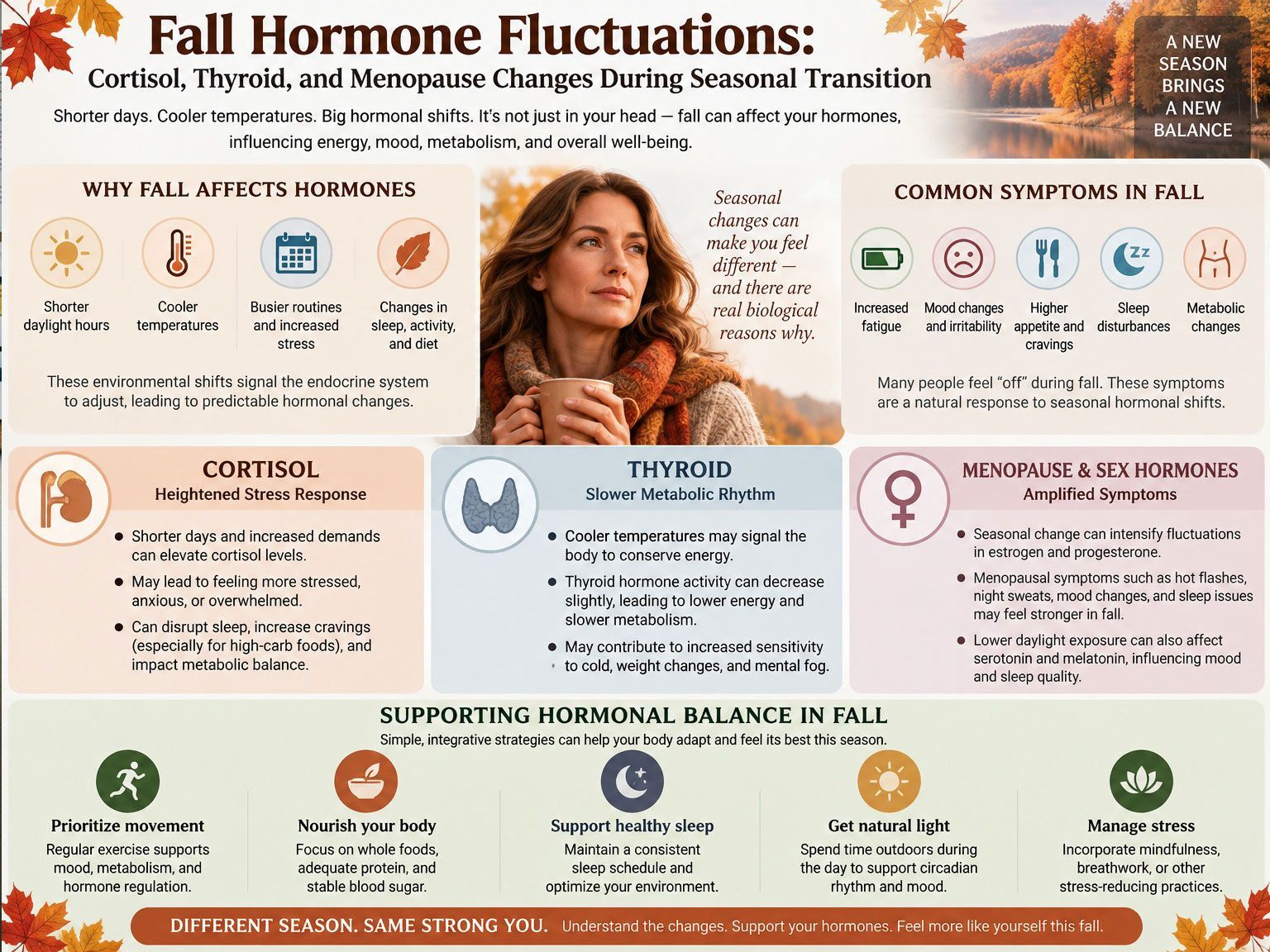
In a healthy rhythm, cortisol is highest in the morning to help you wake up and lowest at night to help you sleep. Chronic stress disrupts this rhythm. Cortisol may remain elevated throughout the day or spike at night when you are trying to rest. Over time, the adrenal glands can become dysregulated, leading to low cortisol when you need it and high cortisol when you do not.
This dysregulation can cause:
- Fatigue that does not improve with rest
- Difficulty falling or staying asleep
- Midday crashes
- Anxiety or irritability
- Sugar cravings
- Weight gain around the midsection
- Brain fog
In my practice, I use advanced hormone testing to map cortisol patterns throughout the day. When we can see the rhythm, we can support the body in restoring balance.
How Stress Affects the Nervous System
Your nervous system has two main branches. The sympathetic system prepares you for action. The parasympathetic system helps you rest, digest, and repair. Chronic stress keeps the sympathetic system activated and suppresses the parasympathetic system.
When the parasympathetic system is not engaged, digestion slows, nutrient absorption decreases, and inflammation increases. The body becomes less efficient at healing. Sleep becomes lighter and less restorative. Emotional resilience declines.
This is why nervous system regulation is essential for long‑term health. When we help the body shift into a parasympathetic state more often, everything improves. Digestion becomes smoother. Mood becomes more stable. Energy becomes more consistent. The body finally has space to repair.
How Stress Influences Hormones and Metabolism
Chronic stress affects far more than cortisol. It influences every major hormone system in the body. Elevated cortisol can suppress thyroid function, disrupt the balance of estrogen and progesterone, and increase insulin resistance. This can lead to weight gain, irregular cycles, mood changes, and difficulty concentrating.
Stress also increases inflammation, which further disrupts hormonal communication. Many women come to me thinking they have a hormone problem when the deeper issue is chronic stress. When we support the stress response, hormones often begin to rebalance naturally.
How Stress Impacts the Gut
The gut and brain are deeply connected. When stress is high, blood flow moves away from the digestive system. Stomach acid decreases. The gut lining becomes more permeable. Beneficial bacteria decline. This can lead to bloating, constipation, diarrhea, food sensitivities, and inflammation.
Because the gut produces neurotransmitters such as serotonin and GABA, imbalances in the gut can directly affect mood. Many patients are surprised to learn that their anxiety or irritability improves dramatically once we begin supporting gut health.
In my practice, gut restoration programs and food sensitivity testing help identify the root causes of digestive and emotional symptoms. When the gut heals, the mind often follows.
How Functional Medicine Helps Reverse the Effects of Chronic Stress
Functional medicine looks at the whole picture. Instead of treating symptoms in isolation, we identify the systems disrupted by chronic stress and support their return to balance. Some of the services I use to help patients recover include:
- Hormone and cortisol testing to understand stress patterns
- IV nutrient therapy to replenish vitamins and antioxidants depleted by chronic stress
- Gut restoration programs to reduce inflammation and improve digestion
- Detoxification support to reduce the toxic load that burdens the stress response
- Personalized nutrition and lifestyle strategies to regulate blood sugar and support the nervous system
When we address these systems together, patients often feel a profound shift in their energy, mood, and overall well-being.
What You Can Do to Support Your Stress Response
Healing from chronic stress is not about eliminating stress. It is about teaching your body how to return to balance more easily. Small, consistent practices can make a powerful difference.
- Breathwork - Slow, intentional breathing activates the parasympathetic nervous system and helps calm the mind.
- Movement - Gentle movement, such as walking, yoga, or stretching, helps regulate cortisol and reduce inflammation.
- Nutrition - Stabilizing blood sugar through balanced meals supports hormonal and emotional stability.
- Sleep - Prioritizing deep, restorative sleep helps reset cortisol patterns and supports healing.
- Connection - Meaningful relationships and supportive conversations help regulate the nervous system and reduce the biological impact of stress.
Summary
Chronic stress is not just an emotional experience. It is a biological state that affects every system in the body. When the stress response becomes dysregulated, cortisol patterns shift, hormones become imbalanced, digestion slows, inflammation increases, and the nervous system becomes stuck in survival mode.
The good news is that the body is incredibly resilient. Through advanced testing, IV nutrient therapy, gut restoration, detoxification support, and personalized lifestyle strategies, it is possible to restore balance and feel grounded, energized, and emotionally steady again. When you support your stress response, you support every part of your health.