Fall Fatigue and Seasonal Energy Drops

The Science Behind Seasonal Energy Drops
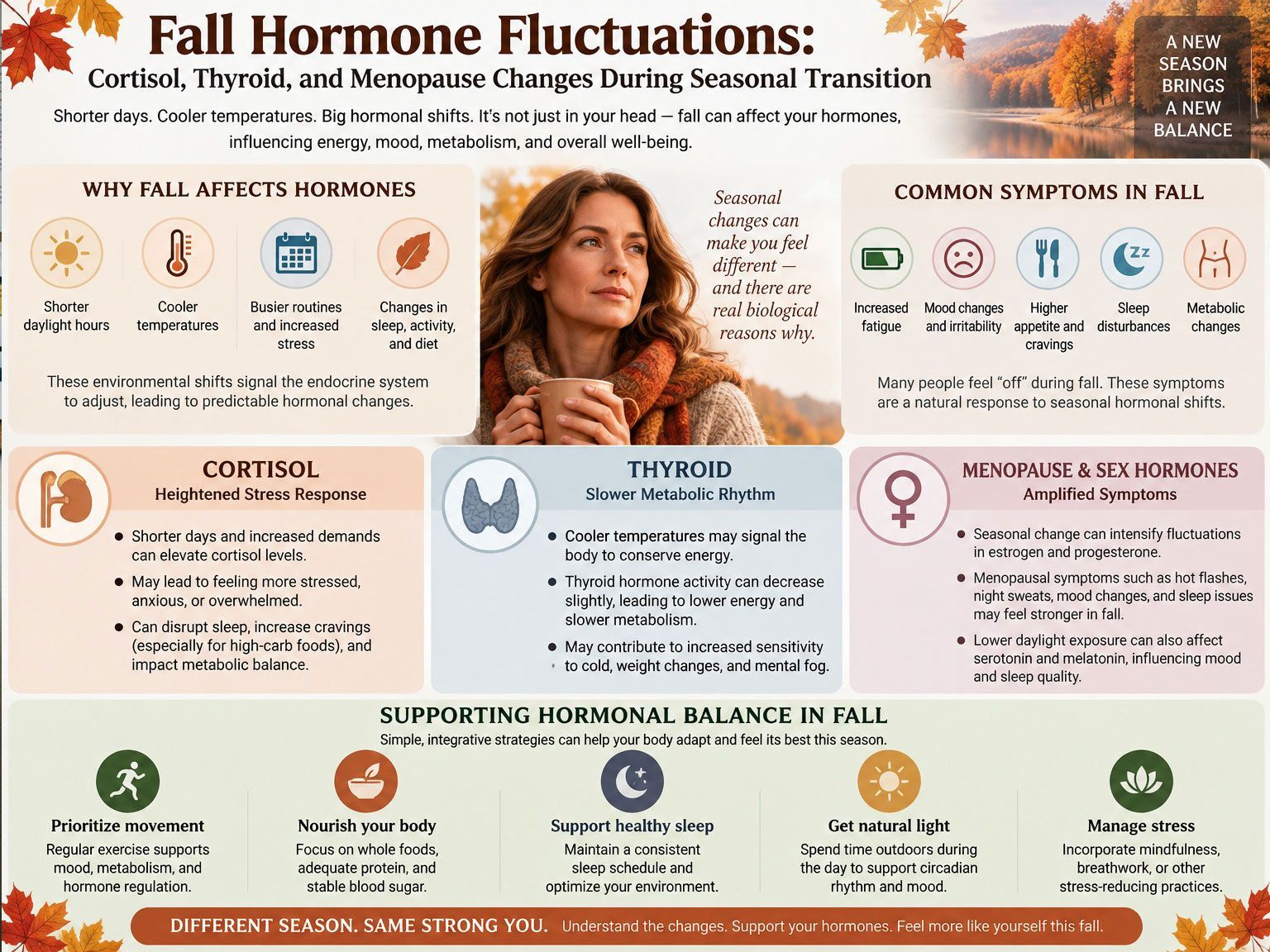
The transition from summer to fall is one of the year's most physiologically demanding shifts, yet most people never recognize how deeply it affects their energy. As daylight shortens, temperatures cool, and routines tighten, the body undergoes metabolic, hormonal, and neurological adjustments. These changes are subtle at first, but they accumulate quickly, creating a noticeable drop in stamina, motivation, and mental clarity.
Many patients describe this period as slow, heavy fatigue that feels disproportionate to their workload or lifestyle. Fall fatigue is not imagined; it is a predictable seasonal response rooted in biology. Understanding why it happens is the first step toward correcting it. With targeted integrative strategies, fall can become a season of stability and renewed vitality rather than exhaustion.
The shift in daylight is one of the earliest triggers of fall fatigue. Even before the weather cools, reduced morning and evening light begins to alter circadian rhythms. This affects serotonin, melatonin, and cortisol — three hormones that directly influence energy, mood, and sleep timing. When serotonin dips and melatonin rises earlier in the day, people feel tired sooner, experience more afternoon crashes, and struggle with motivation.
Cortisol, which should peak in the morning, is often blunted or delayed, leading to grogginess that persists for hours. These hormonal shifts are normal, but when combined with nutrient depletion, dehydration, and metabolic stress, they create a perfect storm for seasonal fatigue.
Key Physiological Drivers of Fall Fatigue
The body experiences several simultaneous stressors during the fall transition, and each one contributes to energy loss in a different way. These factors often overlap, amplifying their effects and making fatigue feel more intense than expected. Understanding these drivers helps identify the most effective interventions for restoring energy.
- Circadian Rhythm Disruption — Shorter daylight hours shift melatonin production earlier, making people feel tired sooner in the day. Serotonin levels also drop, reducing motivation and mental clarity. These changes alter sleep timing and morning alertness, creating a persistent sense of sluggishness.
- Hidden Dehydration — Cooler weather reduces thirst cues, causing people to drink less water without realizing it. Indoor heating increases respiratory water loss, further dehydrating the body. Even mild dehydration impairs mitochondrial ATP production, directly reducing energy.
- Post‑Summer Nutrient Depletion — Months of sun exposure, travel, alcohol, and irregular routines leave many people low in magnesium, B‑vitamins, electrolytes, and antioxidants. These deficiencies weaken metabolic efficiency and slow cellular energy production.
- Immune System Activation — Fall marks the beginning of viral season, and the immune system becomes more active even before symptoms appear. This increased immune vigilance consumes nutrients and energy, contributing to fatigue.
How Temperature and Environment Influence Energy
As temperatures cool, the body must work harder to maintain core warmth. This thermoregulatory effort increases metabolic demand, especially in individuals with low nutrient reserves or sluggish thyroid function. Even mild temperature drops can trigger subtle increases in caloric and electrolyte needs. At the same time, indoor environments become drier due to heating systems, which remove moisture from the air and increase respiratory water loss.
This combination of cooler outdoor air and warmer indoor air creates a hydration imbalance that most people never notice. When hydration drops, blood volume decreases slightly, reducing oxygen delivery to tissues and impairing mitochondrial efficiency. This is one of the most overlooked contributors to fall fatigue, and it explains why hydration‑focused therapies are particularly effective during seasonal transitions.
Environmental changes also influence inflammation. Fall brings increased exposure to airborne particulates, debris, mold spores, and indoor dust. Even low‑grade inflammatory responses can drain energy by diverting metabolic resources toward immune activity.
Patients often report feeling more tired on days with high mold or pollen counts, even if they do not experience classic allergy symptoms. This inflammatory fatigue is subtle but cumulative, and it becomes more pronounced when combined with dehydration and nutrient depletion. Supporting the body’s detoxification pathways and reducing inflammatory triggers can significantly improve energy during the fall months.
Targeted Integrative Strategies to Restore Fall Energy
Correcting fall fatigue requires a multifaceted approach that supports hydration, mitochondrial function, metabolic stability, and circadian rhythm. When these systems are aligned, energy becomes more consistent and resilient throughout the season. The following strategies represent the most effective clinical interventions for fall‑related fatigue.
- IV Therapy for Hydration and Nutrient Delivery — IV Therapy bypasses the digestive system and delivers hydration and nutrients directly into the bloodstream. This is especially valuable in fall when thirst cues are low, and nutrient absorption may be compromised. Magnesium, B‑complex, vitamin C, and electrolytes support mitochondrial ATP production and immune resilience.
- Whole-Food Supplements for Mitochondrial Support - Targeted whole-food supplements can help replenish nutrients involved in cellular energy production. Magnesium, B vitamins, antioxidants, essential fatty acids, and other individualized nutrients may support metabolism, stamina, and mental clarity when selected according to a patient's needs.
- Prescription and Natural GLP-1 Support for Metabolic Regulation - Fall often brings increased cravings, appetite fluctuations, and blood sugar instability due to hormonal shifts and earlier darkness. Prescription GLP-1 therapies may help regulate appetite, increase satiety, and support blood sugar management for appropriate patients under medical supervision. Natural approaches that support the body's GLP-1 pathways, including individualized nutrition, lifestyle strategies, and targeted supplements, may also be considered as part of a personalized plan.
Rebalancing Circadian Rhythm for Sustainable Energy
Circadian rhythm is one of the most powerful regulators of energy, and fall disrupts it more than any other season. Restoring rhythm requires consistent morning light exposure, stable sleep timing, and reduced evening stimulation. Morning sunlight within the first 30 minutes of waking helps reset cortisol and serotonin, improving alertness and mood. Evening routines should include dim lighting, reduced screen exposure, and warm‑tone bulbs to prevent melatonin suppression. These small adjustments can measurably improve sleep quality, morning energy, and cognitive clarity. When combined with hydration and nutrient support, circadian stabilization becomes one of the most effective tools for reversing fall fatigue.
Supporting circadian rhythm also involves managing stress. Fall is a high-pressure season for many people because of school schedules, work demands, and holiday preparation. Chronic stress disrupts cortisol patterns, leading to morning grogginess and afternoon crashes. Adaptogens, magnesium, breathwork, and consistent sleep routines help regulate cortisol and stabilize energy. Patients who address stress early in the season often experience significantly less fatigue as fall progresses.
The Bottom Line: Fall Fatigue Is Real — and Fixable
Fall fatigue is a predictable physiological response to seasonal change, but it does not need to define your autumn. With targeted hydration, nutrient replenishment, metabolic stabilization, circadian support, and inflammation reduction, energy can become stable, resilient, and consistent throughout the season.
An individualized clinical plan may include
IV Therapy for hydration and nutrient delivery, whole-food supplements for mitochondrial support, and prescription or natural
GLP-1 support for metabolic regulation. When appropriate strategies are combined under professional guidance, they may support clearer thinking, improved stamina, and more consistent energy.