Excerpted from “Quench-Beat Fatigue, Drop Weight and Heal Your Body Through the New Science of Optimum Hydration”

Excerpted from “Quench-Beat Fatigue, Drop Weight and Heal Your Body Through the New Science of Optimum Hydration”

The first thing I ever really cooked was homemade chicken soup. I made it in college by looking at the ingredients on a package of Manischewitz soup mix and replicating them using fresh ingredients. I remember discovering that it was the dill in the chicken soup that made it taste like my mom’s. There is truly nothing better on a winter’s day than homemade chicken soup, or “Jewish penicillin,” for whatever ails you— and guess what? It’s very hydrating when using real ingredients versus store-bought, fake, sodium-laden canned junk. It’s actually quite easy but time consuming. Just let the soup simmer in the pot for an hour or so, checking it occasionally to see if more water is required. —Dana


  • 1 small whole organic chicken (about 2&1⁄2 to 3 pounds), giblets discarded and chicken rinsed
  • 5 to 6 carrots, cut into 2-inch pieces
  • 5 to 6 celery stalks, cut into 2-inch pieces
  • 1 large Spanish onion, halved
  • 1 parsnip, cut into 2-inch pieces
  • 1 bunch fresh dill or parsley
  • Coarse sea salt and freshly ground black pepper


Put the chicken, carrots, celery, onion, parsnip, and dill in a large stock pot. Fill the pot with water, making sure the chicken is submerged. Bring to a boil, then lower the heat to a simmer. Cook for 1 hour, skimming the scum and chicken proteins from the surface every so often. Add real salt (the brand) and some pepper to taste. Remove the chicken from the pot, but be careful not to burn yourself or, worse, let the chicken slip out of your silicone-gloved hands and fall on the floor. Put it on a plate to cool.


When the chicken is cool enough to touch, throw away the skin (or feed it to the dog), and with clean hands pull pieces of the chicken off the bone and throw it back into the soup to continue simmering for another hour. You can throw away the onion, and pull out the parsnip and mash it with butter for an easy side dish.
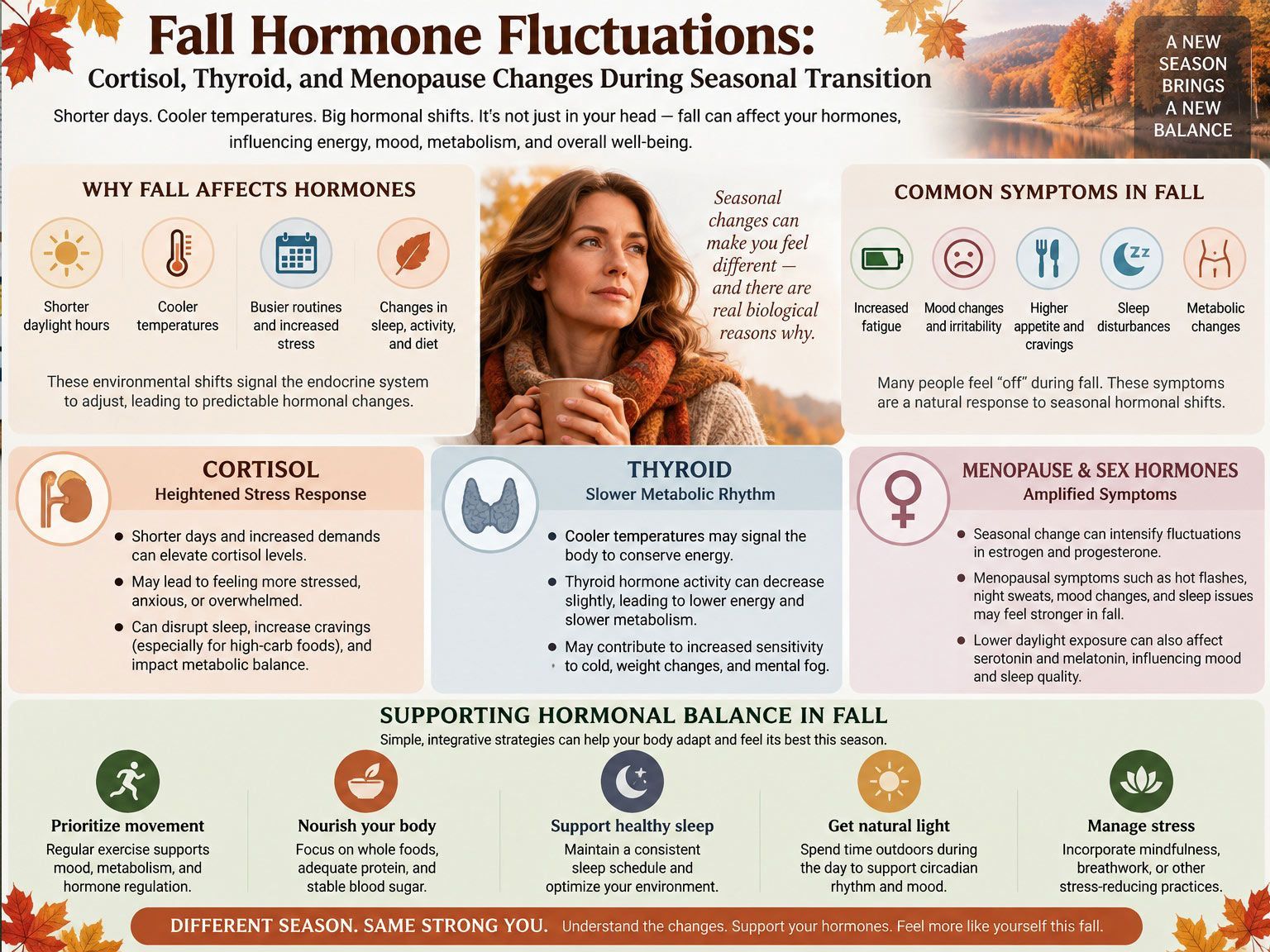

Infographic on fall hormone fluctuations, with symptoms, causes, and support tips in warm autumn colors
By Dr. Dana Cohen • September 19, 2026
Fall Hormone Fluctuations: Cortisol, Thyroid, and Menopause Changes During Seasonal Transition. Why the Fall Shift Disrupts Your Hormones: The Interconnected Effects of Seasonal Hormonal Changes
Person with Fall Fatigue and Seasonal Energy Drops writing in a notebook at a desk by a window.
By Dr. Dana Cohen • September 19, 2026
Fall Fatigue and Seasonal Energy Drops. The Science Behind Seasonal Energy Drops
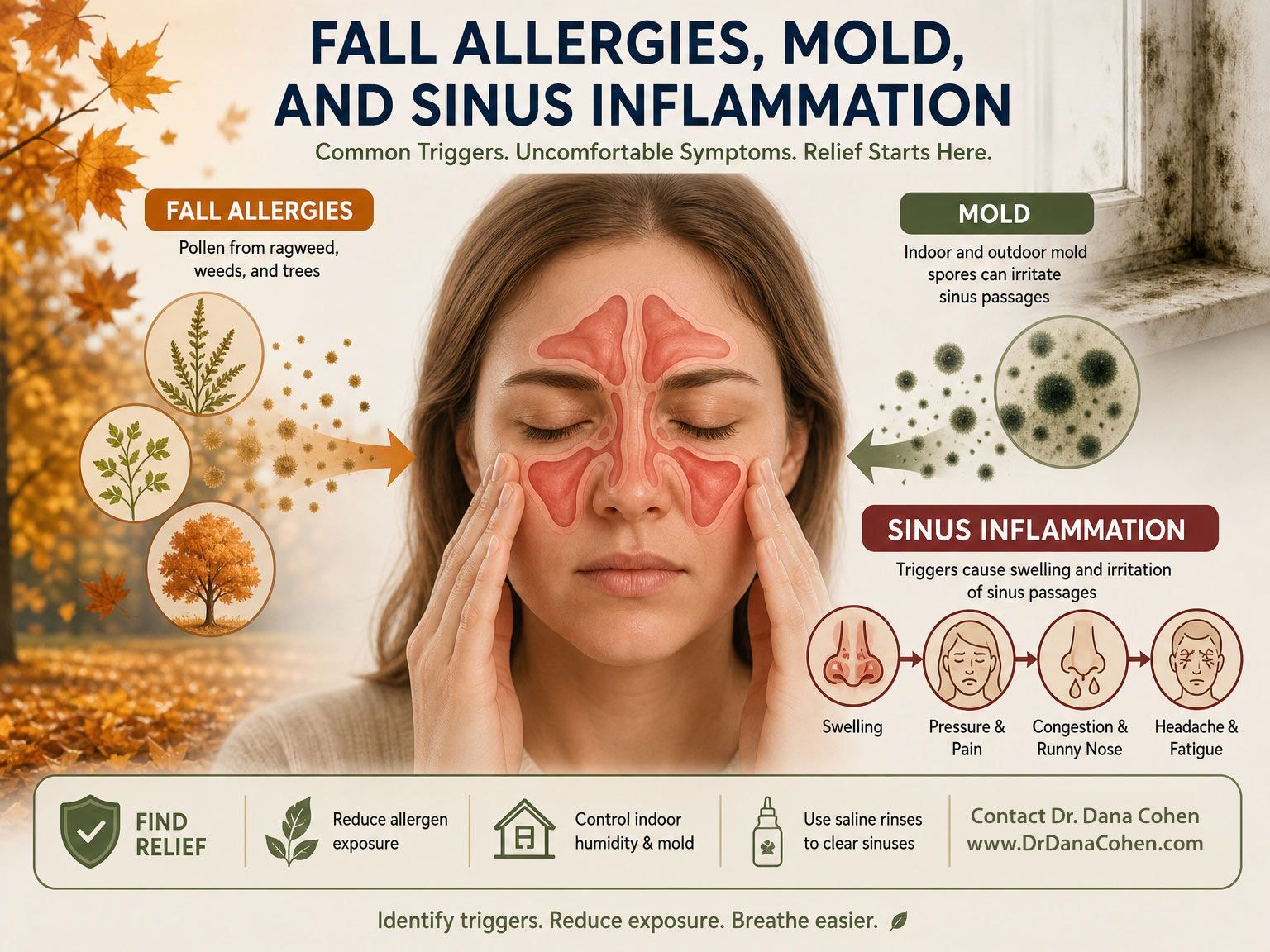
Infographic on fall allergies, mold, and sinus inflammation with a woman holding her face and season
By Dr. Dana Cohen • September 19, 2026
Fall Allergies, Mold, and Sinus Inflammation. Primary Fall Triggers That Inflame the Sinuses Are Treatable and Preventable
Two women walking in a park, experiencing the Hidden Hydration Crisis of Summer, one wiping sweat.
By Dr. Dana Cohen • July 9, 2026
The Hidden Hydration Crisis of Summer: Why Most People Are More Dehydrated Than They Think. The Real Reason Summer Dehydration Is So Common.
Family picnic on grass, with a woman practicing summer weight management
By Dr. Dana Cohen • July 9, 2026
Healthy Summer Weight Management: Why Heat Affects Appetite, Metabolism, and Insulin Sensitivity. Why Heat Naturally Suppresses Appetite
Stressed office worker at a desk with laptop, holding face in hands amid paperwork and plants
By Dr. Dana Cohen • April 24, 2026
Learn How Chronic Stress Alters Your Biology, What to Do About It, and the Importance of Stress Management for Wellness and Longevity.
Person holding a glowing DNA strand with the text
By Dr. Dana Cohen • March 7, 2026
The Science of Longevity: What Actually Moves the Needle. Learn About the Importance of The Cellular Foundation of Longevity
Dr. Dana Cohen showing a patient a pamphlet about HRTin her NYC office
By Dr. Dana Cohen • March 7, 2026
The FDA Removes the Black Box Warning From Hormone Replacement Therapy What the FDA’s New HRT Guidelines Mean for Menopause, Perimenopause, and Women’s Health.
Dr. Dana Chen showing a patient a chart about The Gut–Brain Axis
By Dr. Dana Cohen • February 9, 2026
Learn about The Gut–Brain Axis, Why Your Mood Starts in Your Microbiome, and How the Gut and Brain Communicate
Two women at a cafe, one holding a teacup and smiling, the other looking at her and smiling, tea pot and plant visible.
By Dr. Dana Cohen • January 16, 2026
What Women Are Rarely Told About Their Transition from Perimenopause to Menopause